
Academic Restructuring Considerations for Future Transformation and Growth
Check Back Soon For Conference Dates JOIN OUR MAILING LISTLearn models and strategies to align and strengthen your academic organizational structure for a changing future.
Overview
Well-known market realities compel institutions of higher education to advance their mission by making bold academic alignment decisions. Academic leaders must continually re-evaluate the effectiveness and relevance of their academic programs, structures, and organizational alignment. If they are no longer serving them well, there’s an imperative to reevaluate the organizational model to become a leaner and stronger entity with opportunities for growth.
Join us for this unique, intimate event that will help you navigate the immense structural and cultural challenges of an academic realignment or restructure project. Whether you are considering academic restructure at the department, college, or institutional level, this program will provide you the knowledge and planning tools to strategically evaluate your situation and identify the right approaches for your unique institutional context. You will learn how to:
- Identify the key integrated planning areas to reevaluate your academic offerings
- Assess your current situation and target areas for strategic growth
- Adapt and tailor existing models, such as: merging schools or departments, converting programs, discontinuing majors and minors, creating program clusters, and more
- Rethink traditional leadership roles and responsibilities to strengthen decision-making
- Face and embrace campus culture and conflict amidst constant change
Session Descriptions
Day 1 Pre-Conference Workshop: Design Thinking for Academic Innovation
This full day workshop will provide you with the necessary tools and mindset to spur innovation on your campus. The traditional approach in higher education focuses on the problem and solution. By contrast, the design thinking methodology shifts the approach to open up possibilities, fine-tune options, and zero in on implementation. It also encourages students and faculty to be directly involved in the choices we make as institutions to the industry’s most pressing challenges.
Day 2: Opening Remarks and Introductions
You will share expectations and connect with your facilitators and fellow participants through a series of introduction activities.
Day 2: Positioning for Strategic Growth
As institutions are embracing innovation and change, a range of models are emerging to reevaluate the program, school, college, and institutional structure. This brief overview will shed light on the challenges public and private institutions are facing, as well as overall smart growth strategies for strategic alignment. You will learn what it takes to be in a strong position for similar changes at your institution.
Day 2: Integrated Planning while Facing Financial Challenges
This session will highlight an integrated planning process undertaken by two different institutions (one public and one private urban campus) who were facing extreme financial solvency challenges and saw the need for a calculated structural maneuver to continue serving their mission.
Day 2: Current State Assessment
Our experts will facilitate a dynamic and thought-provoking exercise in small groups. You will determine where you are now and your readiness to embark on repositioning your institution with stronger alignment towards your target student populations.
Day 2: Rethinking Your Academic Leadership Structure
We will continue learning about the integrated planning process from the perspective of multiple campus institutions, both public and private. Our experts have taken the traditional organizational model of departments and units and redesigned schools and colleges with faculty cultivating better resource management practices. You will learn strategies and techniques to:
Day 2: Facilitate open dialog needed to rethink the current model
Design program clusters and a new reporting structure
Create a more equitable balance of faculty workload across growing programs
Broaden the perspective of faculty, deans, and program leaders in how they can make a difference
Create new positions that cultivate more responsibilities across the board
Leverage retirements and otherwise vacant faculty lines to reposition academic units and programs
Day 2 Working Session: Aligning Organizational Structures with Organizational Responsibilities
Now that you’ve heard how practitioners have rethought their leadership structure to cultivate additional areas of growth, you will structure your ideas while exploring how these facets play out at your institution.
Day 2: Networking Reception
This informal reception is your chance to decompress, have some refreshments on us, and expand your network of connections. Our programs are intentionally designed for smaller groups, so this is a great time to catch-up with attendees and speakers whom you may not have connected with yet.
Day 3: Panel Discussion: Establishing and Building Campus Community Relationships
Our experts who have overcome significant challenges as they navigated the change process through each phase of restructuring will share their stickiest of moments. Through this open and candid dialogue, you will be able to ask questions and glean important strategies to anticipate and face conflict.
Day 3: Planning a Stronger Future: A Phased Approach
In this final capstone session, you’ll learn the adaptable planning framework for examining your current situation and priorities through in-depth questions and exercises. Our instructor will highlight the phases from analysis to planning to implementation with key milestones throughout.
Day 3: Working Session and Presentations: Action Planning
This working session will provide you time to apply the framework you have just learned to identify your own milestones and action steps you will put into place. Lenses used may be structure, policy, programs, and internal politics and culture. You and your peers will also have an opportunity to share the culmination of your learning.
Who Should Attend
This workshop is designed for alumni relations professionals, or teams of professionals who manage volunteers for alumni boards, regional chapters, clubs, and other volunteer programs. Though our curriculum will be applicable to managers of all types of volunteers, we will not be diving specifically into any one volunteer group.
How You’ll Use This to Move Work Forward
- Volunteer Engagement Professionals – Develop a volunteer management framework unique to your institution’s needs.
- Alumni Engagement Professionals – Establish and build relationships with your alumni volunteers through meaningful engagement opportunities.
- Alumni Relations Professionals – Build and sustain a culture of impactful alumni volunteer participation.
- Advancement Leaders – Empower your shop to effectively manage alumni volunteer boards, chapters, and groups.
Bring a team! Register 3 or more people and save more than $1,000! Discounts will be automatically applied at checkout.
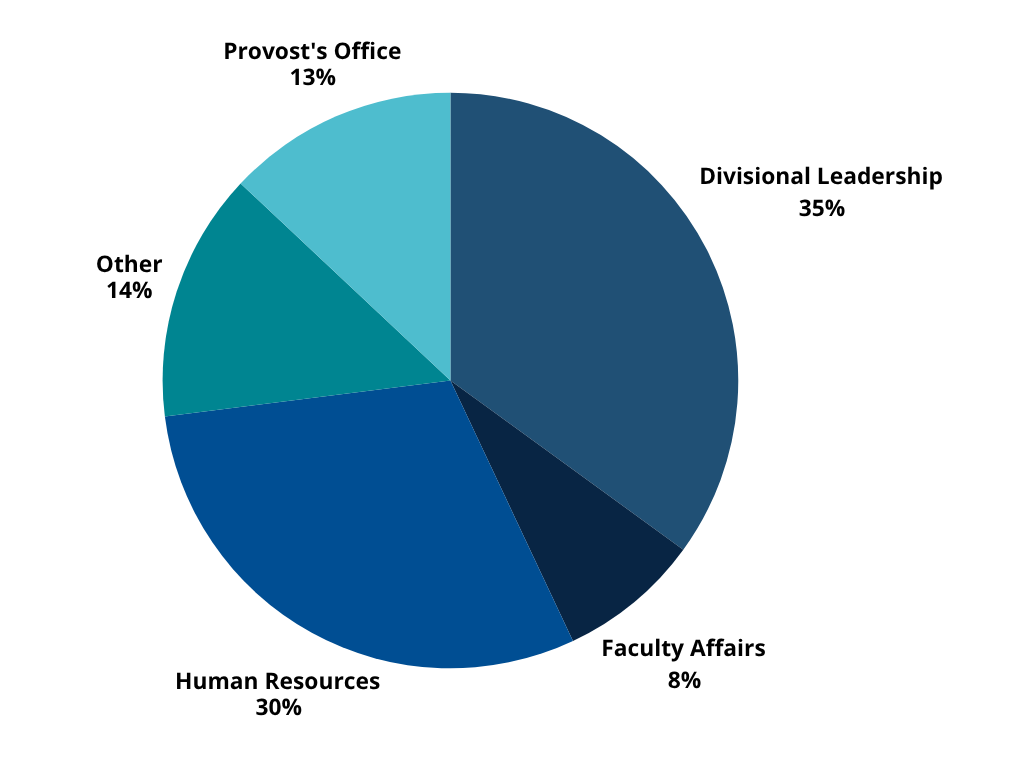
Past Attendee Breakdown
Speakers

Megan Stevens
Assistant Vice President for Annual Giving and Alumni Engagement, Stevens Institute of Technology
Learn More about Megan Stevens
Matt Carcella
Senior Director, Diversity Alumni Programs and U.S. Regional Alumni Engagement, Cornell University
Learn More about Matt Carcella
Sarah Indewey, MPA, CVRM, CVA
Psychology Department Manager, Queen’s University
Learn More about Sarah Indewey, MPA, CVRM, CVAGrow Leadership. Maximize Your Budget.
Empower your team with professional development that pays off. Our Workshop Group Packs help you build leadership capacity while saving money. Discounts are automatically applied at checkout.
What Our Attendees Are Saying
Questions About the Event?

Sarah Seigle Peatman
Director of Leadership and Partner Development, Academic Impressions
Learn More about Sarah Seigle Peatman